Nordic Pendulum Wall Clock: Luxe Living Room Styling
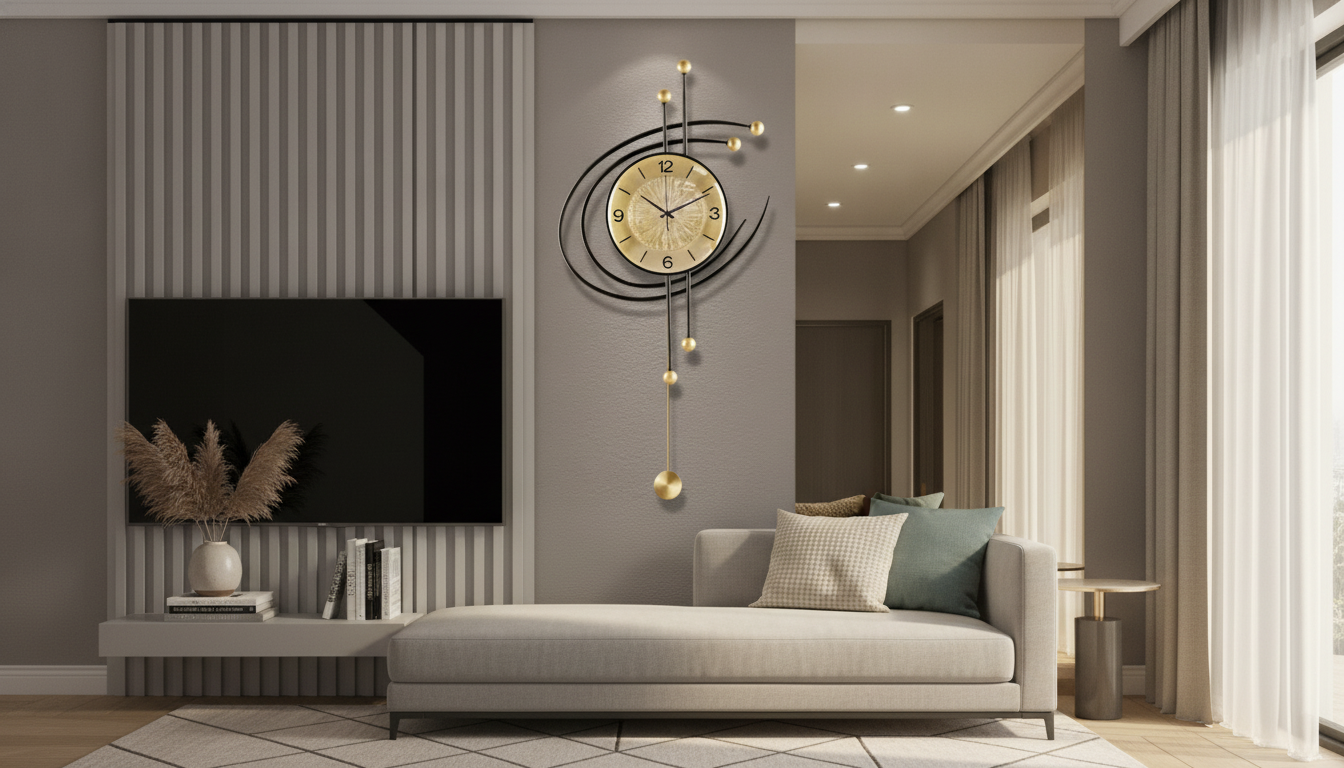
Luxury Nordic Wall Clock with Pendulum for Modern Living Rooms
A pendulum wall clock adds a calm, steady rhythm to a modern space—movement that feels almost sculptural when it’s paired with Nordic-inspired restraint. The right design reads clean from across the room, elevates a blank wall without crowding it, and brings a “finished” look to living rooms that lean contemporary, Scandinavian, or Japandi.
Nordic design traditions are often described by their emphasis on simplicity, usefulness, and understated beauty—principles closely associated with Scandinavian design history and interior culture. For a deeper overview of the movement, see Encyclopaedia Britannica — Scandinavian design.
What Makes a Nordic Pendulum Wall Clock Feel Luxurious
Luxury in a Nordic wall clock isn’t about excess. It’s about proportion, clarity, and the way the piece “holds” the wall.
- Clean, balanced geometry: Crisp lines and a well-centered face look modern at a glance, even in larger rooms.
- Subtle pendulum motion: The pendulum adds life without turning the wall into visual noise.
- Statement profile: A bold silhouette can function like wall art while still being practical.
- Refined palette and minimal detailing: Muted tones, simple markers, and restrained contrast coordinate naturally with contemporary lighting and furniture.
- A “quiet centerpiece” effect: It’s noticeable in the way good design is noticeable—confident, not loud.
Best Placements in a Modern Living Room
Placement determines whether a pendulum clock feels intentional or simply “hung wherever.” Start with sight lines (where people naturally look), then confirm clearance for swing and readability.
- Above a sofa: Center the clock on the main seating axis, and keep spacing consistent from nearby frames or shelving.
- Over a console table or sideboard: This pairing creates a classic vertical vignette; anchor with a low stack of books or a single sculptural vase.
- Near an entry to the living room: A welcoming focal point that doubles as an easy time-check zone.
- On a feature wall: Wood slats, textured paint, limewash finishes, or neutral wallpaper help the silhouette stand out without adding clutter.
- Avoid harsh glare: If it’s directly opposite a bright window, shifting reflections can make the face harder to read throughout the day.
Quick placement guide
| Location | Why it works | Styling tip |
|---|---|---|
| Above sofa | Creates a central focal point | Keep surrounding decor minimal; let the pendulum motion stand out |
| Over console | Balances furniture mass and wall height | Add one tall object off-center to keep it modern |
| Reading nook | Adds character to a quiet corner | Echo clock tones in a floor lamp or throw blanket |
| Entry-living transition | Practical and decorative | Pair with a small mirror to brighten the area |
Styling Ideas That Match the Nordic Look
Nordic styling looks effortless when it’s edited. Use repetition, restraint, and negative space as the “glue” that makes the clock feel premium.
- Tone-on-tone neutrals: Warm whites, soft grays, and light woods create an airy backdrop that highlights the pendulum without competing with it.
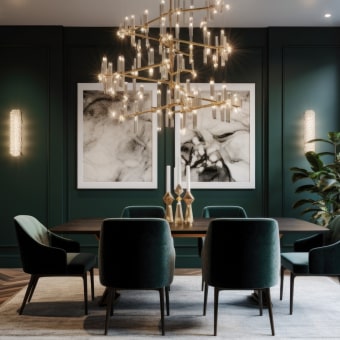
- Contrast with intention: A darker wall—charcoal, deep taupe, or muted forest—can make a clean clock outline pop while still feeling sophisticated.
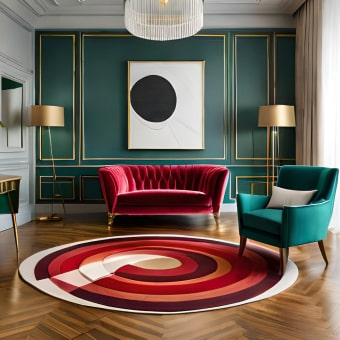
- Repeat shapes: Echo circles or arcs in a coffee table, rug motif, or a rounded ceramic piece to make the clock feel “designed in.”
- Mix materials sparingly: Add one or two accents (black metal, brass, stone) and stop there—too many finishes can dilute the calm Nordic feel.
- Create negative space: A clock with breathing room often reads more luxurious than a fully packed gallery wall.
Everyday Use: Sound, Movement, and Practical Considerations
A pendulum clock is as much about living with it as looking at it. Small practical choices can keep it soothing instead of distracting.
- Motion and attention: Pendulum movement naturally draws the eye, which is great for living rooms but less ideal for spaces where constant motion becomes distracting.
- Sound awareness: Quiet mechanisms can still be noticeable in a silent room at night; placing it farther from the main seating area helps.
- Stable mounting matters: Use a sturdy, flat wall surface and dependable hardware; uneven hanging can affect how straight it looks and how freely the pendulum swings.
- Protect the finish: Keep it away from direct heat sources (fireplaces, radiators) and high humidity to avoid warping, dulling, or premature wear.
- Kids and pets: If curious hands or swishing tails are likely, mount it higher and confirm there’s no furniture beneath that encourages climbing.
For anyone who appreciates accuracy, it’s worth noting that modern timekeeping standards are anchored by scientific measurement and frequency control. Background reading: NIST — Time and Frequency.
Care and Setup for a Crisp, Long-Lasting Look
Shop the Look: Modern Nordic Decor Picks
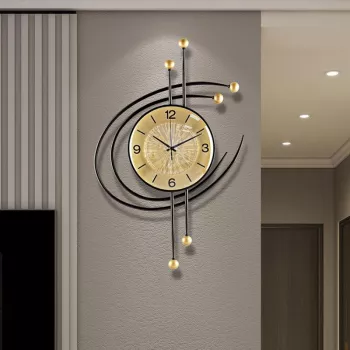
- Luxury Nordic Wall Clock with Pendulum – Modern Living Room Home Decor — A statement wall piece that adds gentle motion while keeping a minimalist profile.
- DIY Tower Bridge 3D Wooden Puzzle Kit with LED Light — A warm, architectural accent for a console or shelf beneath the clock, especially in Scandinavian or soft-industrial rooms.
A Statement Piece to Anchor the Room
FAQ
Where should a pendulum wall clock be placed in a living room?
Place it above a sofa or over a console where it can act as a focal point without being crowded by nearby decor. Avoid direct window glare, and make sure there’s enough clearance for the pendulum to swing freely while keeping the clock visually centered on the wall.
Do pendulum wall clocks make noticeable noise?
Noise depends on the movement and how securely it’s mounted, but a ticking sound can be more noticeable in very quiet rooms. Positioning it farther from seating areas or in a spot with natural ambient sound can make it feel more subtle.
How do you keep a modern wall clock looking clean without damaging the finish?
Dust regularly with a dry microfiber cloth and skip harsh chemicals or abrasive tools that can dull the surface. Keeping the clock away from humidity and direct heat also helps preserve the finish and overall appearance.









Leave a comment