Under-Pillow Pocket Bluetooth Speaker for Sleep Audio
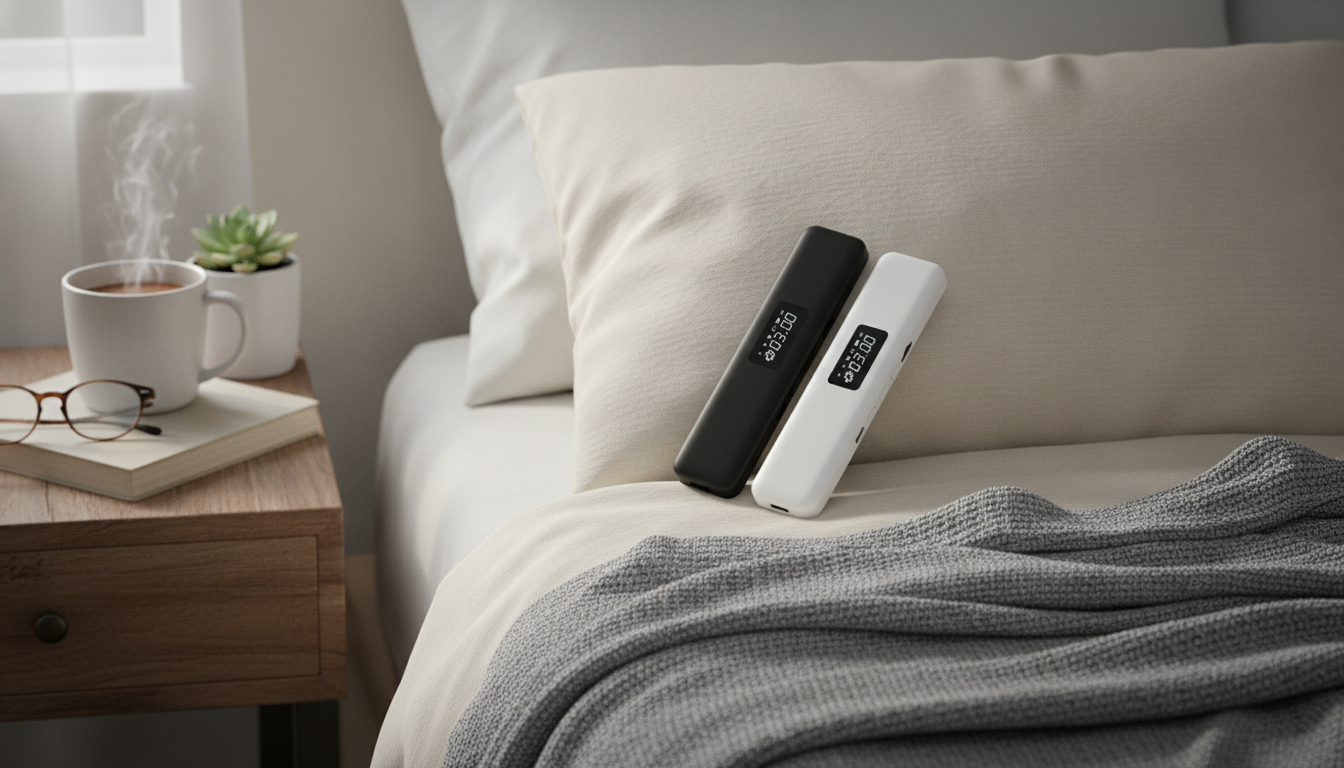
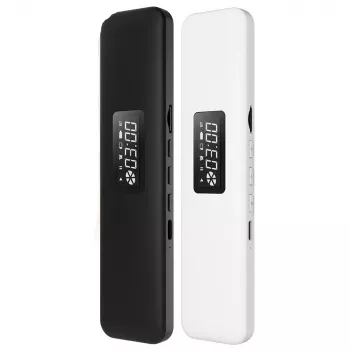
Pocket Bluetooth Speaker – Under Pillow Bone Conduction Sleep Sound Box
A small speaker meant to play audio discreetly while resting can be easier to live with than earbuds or loud bedside speakers. An under-pillow, bone-conduction-style sound box focuses vibration and close-range sound so listening stays personal, comfortable, and simple to set up for nightly routines or quiet downtime.
What this pocket sleep sound box is designed to do
The Pocket Bluetooth Speaker – Under Pillow Bone Conduction Sleep Sound Box is built for close-range listening—especially when you want audio near your pillow without wearing anything in your ears. Instead of filling the whole room like a typical speaker, it’s meant to keep sound more localized where you’re resting.
- Deliver close-range audio for bedtime listening without needing earbuds in the ear canal
- Work under a pillow or near the headboard so sound feels more localized
- Support common bedtime audio: white noise, nature tracks, audiobooks, guided relaxation, and low-volume music
- Keep the setup minimal: pair a phone, start playback, and place the speaker where it feels best
If white noise is part of your routine, it’s worth using it intentionally and at a comfortable level. The Sleep Foundation provides a practical overview of potential benefits and tradeoffs of noise for sleep: Sleep Foundation — White Noise: Uses, Benefits, and Risks.
How under-pillow bone conduction-style playback feels
Under-pillow, bone conduction-style playback relies more on vibration transfer through the pillow surface than on projecting sound across open air. That can make audio feel softer, closer, and less “room-filling,” especially at lower volumes.
- Vibration transfers through the pillow surface, so perceived sound can feel softer and more “inside the space” than a normal speaker across the room
- Best results usually come from moderate volume and a stable placement (not buried too deep under thick bedding)
- Light sleepers may prefer calmer tracks (brown noise, rain, slow narration) rather than dynamic music with sharp peaks
- If sharing a room, placing the device closer to the listener and lowering volume can reduce spillover
Common listening setups and what to expect
| Setup | Comfort | Sound spill to others | Best for |
|---|---|---|---|
| Under pillow (near edge) | High | Low to medium | White noise, guided audio, audiobooks |
| Between pillow and pillowcase | Medium to high | Low | Quiet narration, steady noise |
| On nightstand | High | Medium to high | Music at low volume, room ambience |
| Earbuds/headphones | Varies | Very low | Private listening, travel |
Everyday use cases
Because it’s compact and meant for personal-range sound, a pocket-sized sleep speaker can fit into routines where bigger audio setups feel like overkill.
- Bedtime routines: run a 30–60 minute timer on the phone and let the speaker play calming audio until sleep
- Naps and quiet breaks: keep audio low and close so it doesn’t dominate the room
- Travel: use it in hotels or shared spaces where a full-size speaker would be too loud
- Partners with different schedules: one person can listen at a lower perceived volume without turning on a TV or bright screen
For Bluetooth basics—pairing behavior, range, and how devices connect—this overview from the Bluetooth SIG is a helpful reference: Bluetooth SIG — About Bluetooth Technology.
Placement tips for clearer sound at lower volume
Placement is where this style of speaker really earns its keep. Small adjustments can make the audio clearer without needing to crank volume.
- Start with the speaker under the pillow near the outer edge, roughly aligned with the ear position
- Avoid placing directly under the center of the head if it creates pressure points; comfort should come first
- If sound is muffled, move it closer to the pillow’s edge or reduce the thickness between speaker and ear
- If vibration feels too strong, increase the distance slightly or lower volume and choose steadier audio (noise tracks tend to work well)
Pairing and playback habits that help at night
Night listening goes best when it’s “set and forget.” A few habits can make the experience smoother and less disruptive.
Care, safety, and comfort notes
For hearing health context, the National Institute on Deafness and Other Communication Disorders (NIDCD) offers guidance on noise exposure and risk: NIDCD — Noise-Induced Hearing Loss.
Pocket Bluetooth Speaker – quick product snapshot
- Product: Pocket Bluetooth Speaker – Under Pillow Bone Conduction Sleep Sound Box
- Price: $18.51 (USD)
- Availability: In stock
- Why it’s useful: a compact option intended for close-range listening while resting, especially when placed under a pillow or nearby
See the current price and availability and decide whether under-pillow placement fits your routine.
More in-stock picks for quiet downtime
- DIY Tower Bridge 3D Wooden Puzzle Kit with LED Light for a hands-on, low-pressure activity before bed.
- Ergonomic Wireless Vertical Mouse for Apple for a more comfortable desk setup—useful if nighttime audio is part of a work-to-rest transition.
FAQ
Will an under-pillow sound box bother someone sleeping nearby?
It depends on volume, pillow type, and how close the device is to the listener. Keeping it near the edge of your pillow and using a lower volume with steady noise tracks can reduce how much sound carries to the other side of the bed.
Is bone conduction sound the same as a normal speaker?
Not exactly. This style relies more on vibration traveling through surfaces (like a pillow), so it can feel different from a speaker projecting sound into the room and may work best with calmer audio and stable placement.
Where should it be placed for the best balance of comfort and sound?
Try positioning it under the pillow near the edge aligned with your ear. If it’s muffled, move it closer to the edge; if it feels too intense, shift it slightly farther away and lower the volume—while avoiding any pressure points under your head.














Leave a comment