Elevated Wooden Planter Box: Raised Bed Tips & Plant Picks
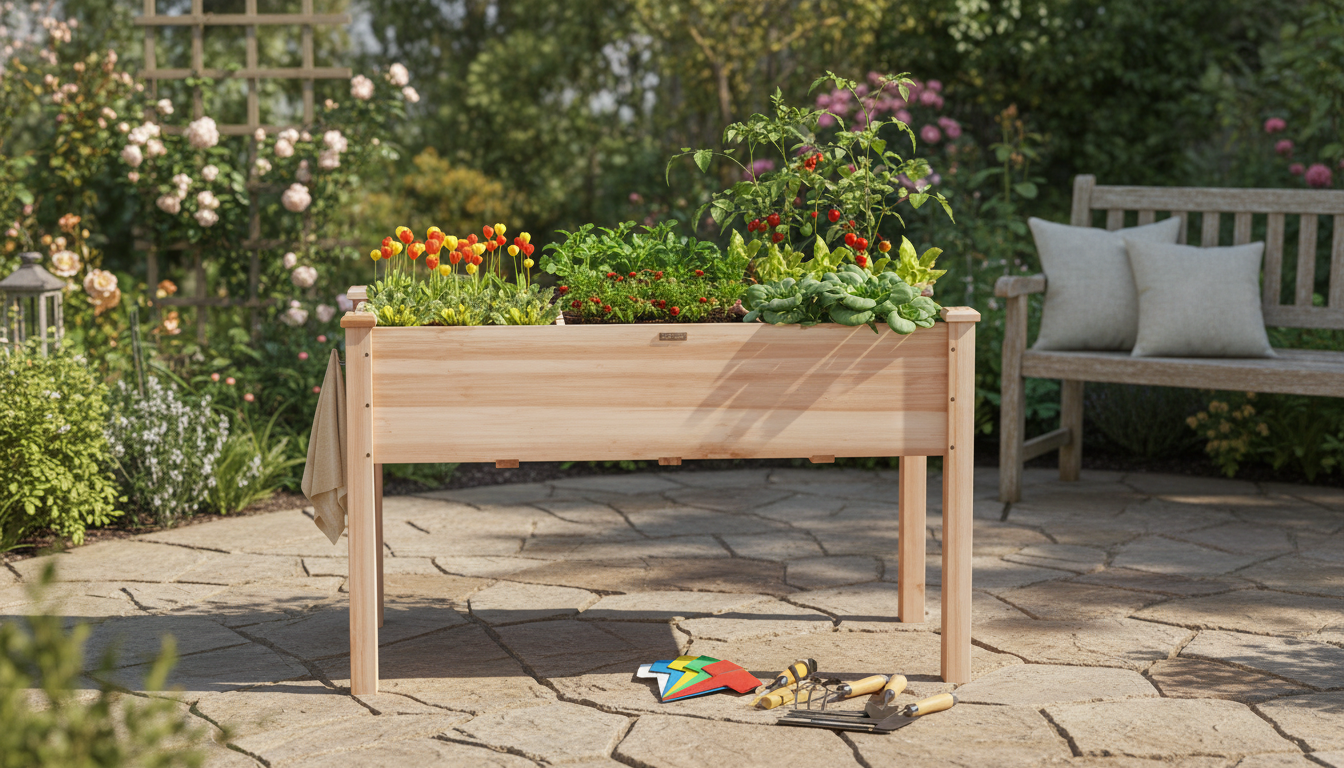
Raised Garden Bed with Elevated Wooden Planter Box for Outdoor Planting: A Tidy, Back-Friendly Way to Grow
An elevated wooden planter box keeps herbs, greens, and flowers organized, accessible, and easier to manage than in-ground plots. With a defined footprint and a comfortable working height, it’s a smart way to garden on patios, decks, balconies, or anywhere you want clean lines and simpler day-to-day care. Below you’ll find practical benefits, plant ideas, placement tips, soil and watering habits, seasonal upkeep, and a quick planning table—plus a snapshot of what to check before you buy.
Why an Elevated Wooden Planter Box Works So Well Outdoors
Elevated raised beds aren’t just about looks—they solve common outdoor gardening frustrations in a straightforward way.
- More comfortable gardening height: Less bending and kneeling during planting, weeding, and harvesting can make it easier to stay consistent with routine care.
- Cleaner, more contained growing space: Containing soil and mulch helps keep patios, decks, and walkways tidier—especially after watering or windy days.
- Better control over soil quality: A planter lets you choose a high-performing mix even if native soil is clay-heavy or you’re concerned about contamination in older urban areas.
- Fewer pest pathways: Elevation can reduce access for some crawling insects, and it’s easy to add netting or row cover for extra protection.
- Defined footprint for planning: The set size makes spacing, succession planting, and season-to-season rotation easier to manage.
Best Plants for an Elevated Raised Bed
Because an elevated bed behaves more like a large container, compact and quick-growing plants tend to shine.
- Fast-growing edibles: Lettuce, arugula, spinach, baby kale, radishes, and green onions are productive without needing deep root space.
- Compact herbs: Basil, parsley, cilantro, thyme, oregano, and chives are natural fits. Mint is best kept in a pot inside the bed to prevent spreading.
- Fruit-bearing options with support: Strawberries, compact peppers, and patio tomatoes work well when paired with a cage or trellis.
- Pollinator-friendly flowers: Marigolds, nasturtiums, calendula, and alyssum bring color and help attract beneficial insects near veggies.
- Deep-root crops: Large carrots and parsnips can be tricky unless your planter has sufficient soil depth—plan carefully before dedicating space.
Placement: Light, Wind, Drainage, and Convenience
Placement can make the difference between a bed that thrives and one that constantly needs rescue.
Soil Setup That Keeps Plants Thriving
Soil is where elevated planters really pay off. Instead of fighting compacted native ground, you can start with a mix built for drainage and root health. Extension services generally recommend filling raised beds with quality topsoil/compost blends or raised-bed mixes rather than relying on heavy garden soil alone (see guidance from University of Maryland Extension and Penn State Extension).
Watering and Drainage Habits for Elevated Beds
What to Look For Before Buying
Quick Planning Guide for an Elevated Planter Box
| Goal | Recommended Plants | Soil Depth Notes | Care Focus |
|---|---|---|---|
| Kitchen herbs | Basil, parsley, thyme, chives | Moderate depth is typically sufficient | Frequent harvesting, steady moisture |
| Salad greens | Lettuce, arugula, spinach | Shallow-to-moderate depth works well | Succession planting every 2–3 weeks |
| Color + pest support | Marigold, nasturtium, calendula | Flexible | Deadheading, occasional feeding |
| Summer fruiting crops | Peppers, patio tomatoes, strawberries | Prefer deeper soil and support | Regular feeding, consistent watering |
Featured Option: Elevated Growing Made Simple
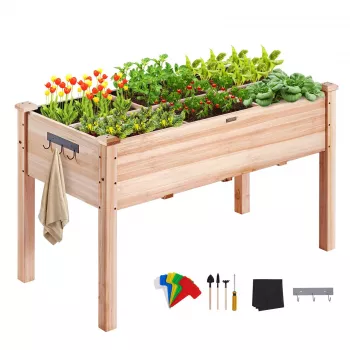
If you want a clean, comfortable setup designed for outdoor planting, consider the Raised Garden Bed with Elevated Wooden Planter Box for Outdoor Planting. It’s a neat solution for patios, decks, balconies, and small yards—especially when in-ground beds aren’t practical. Pair it with compact vegetables, herbs, and flowering companions to keep your garden tidy and productive.
More In-Stock Picks to Round Out Your Garden Routine
- Ergonomic Wireless Vertical Mouse for Apple for more comfortable planning, ordering supplies, and labeling garden layouts during long computer sessions.
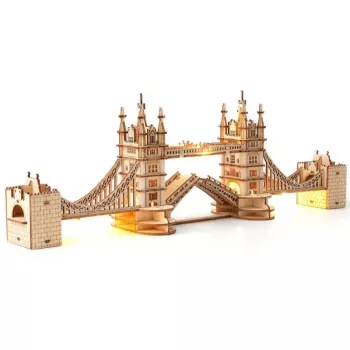
- DIY Tower Bridge 3D Wooden Puzzle Kit with LED Light as a relaxing indoor project for rainy days when outdoor planting has to wait.
Seasonal Care and Long-Term Maintenance
- Spring: Refresh the soil with compost, check fasteners, and clear out winter debris before planting.
- Summer: During heat waves, monitor moisture daily; use shade cloth for greens if temperatures spike.
- Fall: Pull spent plants, top up compost, and plant cool-season greens if your climate allows. Use your local growing zone as a timing reference via the USDA Plant Hardiness Zone Map.
- Winter: In cold regions, keep soil lightly mulched to protect structure; drain and store irrigation accessories.
- Wood care: Keep the exterior clean. If appropriate for the planter’s finish and intended use, an outdoor-safe sealer can help reduce weathering over time.
FAQ
Does an elevated wooden planter need drainage holes?
Yes—drainage holes help prevent root rot and reduce salt buildup from fertilizer over time. If runoff is a concern on a patio or deck, place a tray or protective mat underneath while still allowing water to exit the planter.
What should be put at the bottom of a raised planter box?
Avoid filling the bottom with rocks as a “drainage layer,” since it can create a perched water table and keep roots too wet. Instead, use breathable landscape fabric or mesh to hold soil in place while letting water pass freely.
How often should an elevated raised bed be watered?
Use the finger test: when the top inch of soil feels dry, it’s usually time to water. Hot, windy weather can require more frequent watering, but aim for deep soakings rather than frequent small sips.












Leave a comment